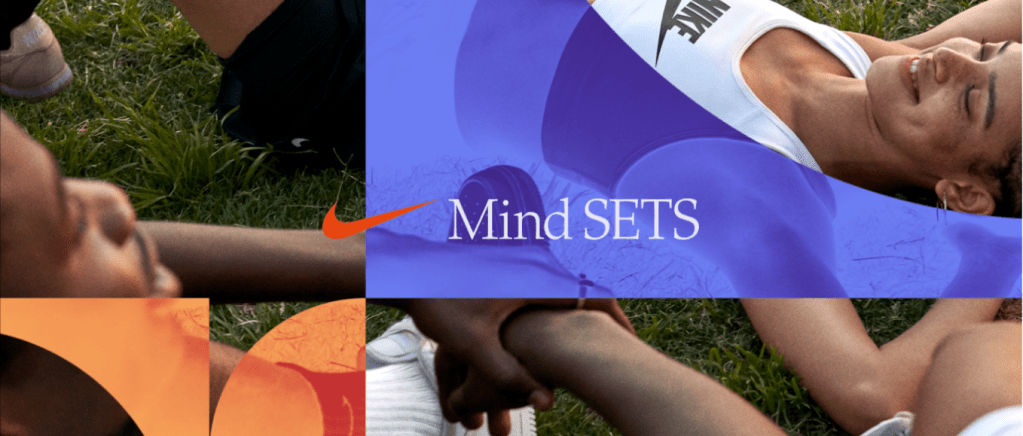
The communication strategies of athletic brands can often come across as overwhelming. Many advertisements and campaigns for the largest sports brands showcase elite figures and picturesque athletes engaged in high-intensity workouts. Unfortunately, this paradigm alienates a significant number of people by presenting an often unattainable standard of fitness and decreases the customer base for sports and athletic companies.
In November of 2021, Nike launched their Mind SETS campaign which incorporated a holistic approach to personal wellness. The driving ideology was centered on the intrinsic connection between mind and body. Nike adjusted their motto, “Just Do It”, to “How are you feeling” to remind their stakeholders to take a moment to assess their overall wellbeing. Furthermore, the mission statement of Nike represents inclusivity that is mirrored by the comprehensive nature of the Mind SETS campaign. As stated on their website, the company’s mission is “to bring inspiration and innovation to every athlete* in the world. -*If you have a body, you are an athlete-”.The relevance of mental health challenges worldwide impacts each individual ‘athlete’ and warrants the basis of Mind SETS.
The birth of this campaign was rooted in the global status quo of 2021. Emerging from the pandemic, mental illness experienced a surge and many more people began to see a decline in their mental health. Nike aimed to reach a wide audience through a variety of channels. First, they added specialized audio guides to their fitness apps that facilitated mindfulness focused walks and runs. They also included an episode focused on combating burnout on their podcast called TRAINED.
Young people were a key demographic targeted in the implementation of Mind SETS. Nike believes that they are a highly susceptible group to the lingering mental health impacts of the pandemic. For myself, I was out of school for months and I was no longer able to practice the sports that I had been involved with for years during the pandemic. Without my body in motion, I soon felt the impact on my mental state. This type of campaign could be useful to people like myself during times of decreased motion and activity.
Arguably the most important result of this campaign is evident in the discussions surrounding mental health within the sporting community. It encouraged open conversation between athletes everywhere about staying on top of mindfulness and mental well-being. Also, it was a finalist in the sports category for the Shorty Impact Awards, an annual recognition given to impressive digital and social media campaigns and innovations.
The message that I aim to present in this blog follows a similar structure to that of Mind SETS. It relies on a factual assertion that being active does lead to a healthier mental state. “Exercise improves mental health by reducing anxiety, depression, and negative mood and by improving self-esteem and cognitive function,” (Journal of Clinical Psychiatry). We are biologically inclined to resort to stagnation during the winter months which dates back to the hibernation schedules of our ancestors. However, the complexity of the human brain requires more nourishment than that of our mammal elders. Putting our bodies in motion is one of the best ways to improve our psyche as highlighted by Mind SETS.
Sources
https://analogfolk.com/work/mind-sets
https://athletechnews.com/nike-movement-mind-sets/
https://shortyawards.com/7th-impact/nike-mindsets#:~:text=By%20developing%20a%20program%20which,on%20feeling%2C%20not%20just%20goals.
 Jack Skidmore
Leave a comment