Author: Jack Skidmore

  • Breaking-Down the Winter Blues: A Psychologist’s Take on Seasonal Affective Disorder in Young People in the PNW

    Breaking-Down the Winter Blues: A Psychologist’s Take on Seasonal Affective Disorder in Young People in the PNW

    From reviewing my past blog posts, I became aware that most of my content thus far has relied on recommendations from my subjective winter coping strategies. Most of these include encouraging physical activity to fight symptoms of seasonal affective disorder (SAD). However, I felt it is vital to include a professional opinion about the prevalence of SAD in the PNW to build credibility surrounding my own interpretation of winter wellness. I was fortunate enough to speak to Dr. Sharon Gavora, a practicing psychologist in Vancouver, Washington; a nearby suburb of Portland, Oregon. 

    Young adults and families are Gavora’s key patient groups and her work focuses on mental illness and treatment strategies. She explained that depression diagnoses are common in her line of work, however, SAD is slightly more nuanced. “Sometimes it’s hard to find the difference between [SAD] and depression”. However, it is important to note that it is still likely widespread, just difficult to specifically pinpoint. 

    Gavora’s patient demographics significantly add to this challenge “Within children and families, parents are not noticing the reciprocal nature of it that adults would notice in themselves”. It is evident that the ability to identify SAD is contingent with a patient’s experience through many seasons. Younger people do not have as many winters under their belt as adults and because of that it may not be possible to specifically diagnose SAD in younger demographics. 

    Similarly to my own remedy, Gavora recommends consistent physical activity to reduce symptoms of SAD. She also noted that light therapy for no more than thirty minutes per session can help as well. She recognizes the utility of serotonin reuptake inhibitors (SSRIs), however they do pose a drawback when considering the cyclic nature of SAD. This is because during spring and summer months when symptoms disappear, people may feel inclined to stop taking their medication making it more complicated to get back on SSRIs when the winter begins again. 

    Historically, young people are more active than older demographics and because of that they have held some resilience to SAD. However, the status quo after the pandemic and the emerging age of technology has presented negative blowback to the psyches of modern youth. “We have seen a real uptick in at least depressive symptomatology that may mimic or mask seasonal affective disorder”. Since COVID young people have spent more time in front of screens and activity levels are on the decline. 

    During this interview I grew concerned about college students especially. We are living around the time in our lives when SAD begins to manifest itself. This might be difficult or overwhelming to notice immediately. Also during cold months we are kept indoors for long hours most days of the week to complete school work. The insight from Gavora makes it all the more evident for college students to prioritize their own mental health during the winter to thrive in our multifaceted lifestyles.

  • Two Inspiring Infographics  About Mental Health and Inactivity in the Winter

    Two Inspiring Infographics About Mental Health and Inactivity in the Winter

    Effective data visual  representation is key to exposing truths about mental health. Ideally, an effective infographic relays dense information in a digestible manner. This is especially important for winter mental health because it is a highly universal phenomenon. Because of this, an ideal infographic on this topic should be visually appealing and cater to a wide audience. 

    Infographic 1: 

    I found this infographic to be useful to give a wide overview of SAD. This disorder is a key point of focus for a few of my posts. Often winter in the PNW can mean that symptoms of SAD arise for many. This can be overwhelming and concerning depending on its severity, however to have a basic understanding on the reasons why you may feel symptoms of SAD is important to identifying and implementing solutions. 

    The pictures on this infographic I felt were especially effective. The picture of the state of Michigan to represent the amount of people in the US who experience SAD was a clever addition. Saying numbers often does not hold the same weight that these types of contextualized information. It is a useful strategy to allow the audience to recognize the severity of SAD. 

    However I do think some of the pictures and figures are not as effective. For example, the woman’s head with the text ‘60-90%’ does not represent anything until you read the statement next to it. It does not serve a purpose as a stand alone figure. I also wish there were more visualized data elements such as a graph or chart  on the infographic.  

    Infographic 2

    This infographic stood out to me because of its strong call to action. The organization created a solution to inactivity during cold months by presenting parks and recreation centers as hubs for unique and fun winter activities. It also is much smaller than the previous infographic allowing the audience to quickly derive the message and critical information. 

    I was also interested in the assertion  that people in the west are more active in the winter. This was surprising because often the western regions of the US experience the most severe winter weather. Maybe it is more closely connected to culture. It is possible that those in the west have built strategies to get outside in the winter through an activity oriented culture. For example, activities such as skiing are more popularized in the west. 

    For building my own infographic I hope to include visuals that tell a story in themselves. The words on my infographic should serve as clarification not as the key source of information. Also I will incorporate a specific call to action to act as a guide to determine what type of data points I need to include. 

    Sources:

    https://www.nrpa.org/publications-research/park-pulse/do-not-let-your-activity-level-dip-with-the-temperatures/

  • Three Unique Restaurants to Try During the Winter in Eugene

    Three Unique Restaurants to Try During the Winter in Eugene

    The winter offers a lot of time to experience the splendors of the indoors. For myself, this includes visiting exciting local restaurants with a cozy ambiance. From living in Eugene for close to four years, here are some of my favorite spots perfect for a cold evening. 

    Scribles 

    This restaurant makes some of the best sandwiches I have ever had. After eating here with my dad earlier this year, he mentioned that he would drive all the way from Bend to Eugene just to get lunch here. I truly believe that this shop holds true to what a sandwich should be. They use bread from a local bakery and all sandwiches are piled high with meats, cheeses, vegetables and other ingredients. It unfortunately is not a cheap spot, but the quality of the product matches the cost. I hope to one day try the whole menu here because each sandwich looks uniquely incredible. My personal favorite is the Italian hoagie filled to the brim with a variety of delicious and flavorful cold cuts . 

    Izakaya Meiji Company 

    Exposure to Japanese cuisine is often limited to sushi and ramen across the US. Meiji strives to challenge this paradigm by offering lesser known authentic Japanese dishes in an ‘izakaya’ format. For those unfamiliar, an izakaya is somewhat synonymous with a tapas bar in Spanish culture. Traditional izakayas serve small inexpensive eats to be paired with a variety of alcoholic drinks. Meiji takes this a step further by incorporating a country-western vibe to their design and ambiance. My favorite item here is their curry udon bow. I find it intriguing since most people would not consider curry to be a Japanese staple, however it is often eaten for breakfast in their culture. 

    The Wheel

    Not only does this restaurant make a phenomenal pizza, they also brew an outstanding selection of beers. The combination of these products, both artisanally produced in-house, makes this spot standout. The pies are made in a New Haven style also known as ‘apizza’ (ah-beetz). This is characterized by charred thin crust made from a charcoal oven. I find that this gives the pies a depth of flavor that I would not find in other types of pizzas. My favorite item here is the sausage and pepper pizza. The highlight here are Mama Lil’s spicy goat horn peppers. They come pickled in a savory oil and compliment this pizza perfectly by cutting through the richness of the sausage and cheese.

    Sources:

    https://www.izakayameiji.com/

    https://scriblesbistroanddeli.com/

    https://www.thewheelapizzapub.com/

  • The Splendors and Downfalls of Skiing

    The Splendors and Downfalls of Skiing

    A blog about winter in the PNW would be incomplete without mentioning skiing. This sport has been a constant enjoyment of mine since my early youth. From my hometown of Bend, Oregon; I was able to visit Mount Bachelor most weekends since it is just a thirty minute drive from town. This enabled me to build a skillset that I will continue to use for the rest of my life. However, the sport itself is at a point of crisis and is increasingly becoming inaccessible for many.
    I was especially fortunate enough to continue skiing into college. However, I witnessed many of my friends’ families lose the ability to afford ski passes. The real issue is not that skiing itself is too expensive of a sport, rather resorts can overcharge more each year. Unfortunately, this is a widespread phenomenon that is much too common across the US.
    Colorado’s renowned Vail ski resort began spinning chairs in 1962 and charged a fee of five dollars for a daily lift ticket. Even in its early days, the resort upheld high-quality operations and opened the country’s first gondola in 1966. By that same year, the resort granted visitors six square miles of available ski terrain. For reference, Mount Bachelor’s ski boundary today encompasses 6.7 square miles. When considering inflation, a Vail ticket today should cost about 44 dollars, however this season a standard lift ticket rings in at $239.
    There really is not another sport that offers the fulfillment that skiing does. The activity itself is incredibly majestic and feels amazing especially on a fresh powder day. I worry that soon the amount of people that are able to enjoy skiing will shrink immensely due to rising prices. This poses its own danger to the mental well being of many as people lose the ability to make it up to the mountain. Overall this leads to a decrease in vitamin D consumption and physical activity. Both of which are necessities to mental wellbeing in the winter.
    I hope that many more people get to experience the glory of a great ski day. Recent movements may play a role in shaping this reality. Currently, a group of Bend locals are working to buy back Mount Bachelor from Powdr Corporation, which many believe to be the company responsible for huge price increases at the mountain. If this type of ideology can penetrate other mountain communities, there is hope that skiing can improve the lives of countless others.

    Disclaimer: This post contains content from my own self-produced work on Mother Nature vs Mother Culture, a magazine released by Jetty Media Group. To read more into this subject, take a look at the full project https://issuu.com/jettymedia/docs/mother_nature_vs_mother_culture

    Sources: 

    https://www.thesnowcentre.com/snowsure/news/the-benefits-skiing-and-snowboarding-has-on-your-mental-health https://discovervail.com/about-us/

  • Maintain High Activity and Mental Wellness with Winter Yoga

    Maintain High Activity and Mental Wellness with Winter Yoga

    Long before disciplinary sciences, the ancient practice of yoga has granted serenity to countless individuals throughout history. It is no surprise why it is still extremely popular today. In my experience, the benefits of yoga speak for themselves and it is an incredibly rewarding ritual. I often find that people put a lot of energy into improving their mindset without noticing the intense connection between mind and body. This type of full body mindfulness is a key aspect of yoga and helps many to work towards personal growth and peace. 

    The nature of yoga as a predominantly indoor activity makes it a great recreation option during cold months. According to yoga magazine, Shvasa, “[y]oga can easily replace your outdoor physical activity and also give you a similar workshop, making sure you can sustain your physical routine even through harsh winters”. For myself, going to the gym is not always an ideal activity. It is often packed with people and the overall vibe leaves something to be desired. I love the flexibility that yoga provides. I have had some amazing practice sessions in the comfort of my own home by myself or with friends. Youtube has a lot of great and completely free options for yoga classes that give me a challenging workout and leave me with a euphoric afterglow when I finish a session. 

    A few weeks ago, my girlfriend introduced me to Everyday People yoga studio in Eugene. We have both enjoyed attending a monday evening Vinyasa Flow class led by Joanna Cashman. This specific type of yoga focuses on constant movement. “Vinyasa is a dynamic and high-energy practice that builds heat in the body, develops strength, and stimulates the cardiovascular system,” (Yoga Basics). I like this style because I get bored holding one pose for too long. This style allows me to shake out my winter jitters and I find that I am able to get deeper into each stretch once I build a sweat from the active nature of Vinyasa. 

    At the end of each session at Everyday People, Joanna leads the class into a delightful Savasana. This involves everyone lying down comfortably with their backs to their yoga mats. The achieved tranquility felt throughout the room during Savasana is aided by Joanna’s own sound bath and chanting performance. I was pleasantly surprised by how much I enjoyed this part of the class. It is perfectly synonymous with the ebb and flow crescendo of energy in an ideal yoga session. In Savasana, Joanna grants each person with encapsulating harmony to hopefully carry on to life outside of the studio. 

    Sources:
    https://www.shvasa.com/yoga-blog/the-importance-of-practicing-yoga-during-winters
    https://www.yogabasics.com/connect/yoga-blog/benefits-vinyasa-yoga/

  • Soup Season

    Soup Season

    Finding small things to get excited about is a great way to improve overall optimism. Since my sophomore year of college, I have found joy in making soup during the winter. It is incredibly affordable, easy and comforting activity to do during the winter months. I wanted to share a bit about some of my favorite recipes and how this trend can benefit everyone’s well-being in the winter. 

    I love the creative opportunity that a soup pot provides. It serves as a blank canvas that can be filled with infinite combinations of colors and favors. I have found that it is nearly impossible to mess up a soup. Even if a spice is added that may not work well with the overall amalgamation, it can be easily masked by introducing other ingredients. Standing over a steaming soup pot with a spoon and spice rack makes for an engulfing experience filled with endless experimentation.

    With this said, I also love to follow the loose scaffold of a well-crafted recipe. My favorite recipe comes from a close family friend that I have been recreating and altering it for years to fit my preferences. It is an African chicken peanut soup that uses a rich tomato base. One reason I love it is because I find that African flavors are misrepresented in our regular diet. This last summer after my study abroad program in Spain, I visited Morocco with my parents and experienced a rich cuisine in its full authenticity. I was blown away by it and while on my trip which led me to buy a spice blend from deep within the medina (a fortified city center) of Fez. I now incorporate the mix in this soup recipe. It slingshots me back to this unique travel experience and I get to once again indulge in its splendor. 

    According to Australian dietitian, Simone Austin, “[a]s well as making us feel good emotionally, which is important for health in itself, soup nutritionally can be a power house of nutrients to help support our immune system that is working hard to fight off colds and flu”. This creates a full cycle of winter-wellness. It is important to note that the annual flu season introduces a formidable opponent to mental health. “There is evidence that children and adolescents with the flu will experience worsening mood and anxiety during the infection,” (The Clay Center for Young Healthy Minds). The point is that making your favorite soups in the winter could be an effective strategy for dodging this cycle. 

    Sources

    https://australianalmonds.com.au/why-soup-is-good-for-your-health-in-winter/ https://www.mghclaycenter.org/parenting-concerns/psychological-effects-of-the-flu/

  • The Full-Body Approach to Sports Branding

    The Full-Body Approach to Sports Branding

    The communication strategies of athletic brands can often come across as overwhelming. Many advertisements and campaigns for the largest sports brands showcase elite figures and picturesque athletes engaged in high-intensity workouts. Unfortunately, this paradigm alienates a significant number of people by presenting an often unattainable standard of fitness and decreases the customer base for sports and athletic companies.

    In November of 2021, Nike launched their Mind SETS campaign which incorporated a holistic approach to personal wellness. The driving ideology was centered on the intrinsic connection between mind and body. Nike adjusted their motto, “Just Do It”, to “How are you feeling” to remind their stakeholders to take a moment to assess their overall wellbeing. Furthermore, the mission statement of Nike represents inclusivity that is mirrored by the comprehensive nature of the Mind SETS campaign. As stated on their website, the company’s mission is “to bring inspiration and innovation to every athlete* in the world. -*If you have a body, you are an athlete-”.The relevance of mental health challenges worldwide impacts each individual ‘athlete’ and warrants the basis of Mind SETS.

    The birth of this campaign was rooted in the global status quo of 2021. Emerging from the pandemic, mental illness experienced a surge and many more people began to see a decline in their mental health. Nike aimed to reach a wide audience through a variety of channels. First, they added specialized audio guides to their fitness apps that facilitated mindfulness focused walks and runs. They also included an episode focused on combating burnout on their podcast called TRAINED.

    Young people were a key demographic targeted in the implementation of Mind SETS. Nike believes that they are a highly susceptible group to the lingering mental health impacts of the pandemic. For myself, I was out of school for months and I was no longer able to practice the sports that I had been involved with for years during the pandemic. Without my body in motion, I soon felt the impact on my mental state. This type of campaign could be useful to people like myself during times of decreased motion and activity.

    Arguably the most important result of this campaign is evident in the discussions surrounding mental health within the sporting community. It encouraged open conversation between athletes everywhere about staying on top of mindfulness and mental well-being. Also, it was a finalist in the sports category for the Shorty Impact Awards, an annual recognition given to impressive digital and social media campaigns and innovations.

    The message that I aim to present in this blog follows a similar structure to that of Mind SETS. It relies on a factual assertion that being active does lead to a healthier mental state. “Exercise improves mental health by reducing anxiety, depression, and negative mood and by improving self-esteem and cognitive function,” (Journal of Clinical Psychiatry). We are biologically inclined to resort to stagnation during the winter months which dates back to the hibernation schedules of our ancestors. However, the complexity of the human brain requires more nourishment than that of our mammal elders. Putting our bodies in motion is one of the best ways to improve our psyche as highlighted by Mind SETS.

    Sources

    https://analogfolk.com/work/mind-sets
    https://athletechnews.com/nike-movement-mind-sets/
    https://shortyawards.com/7th-impact/nike-mindsets#:~:text=By%20developing%20a%20program%20which,on%20feeling%2C%20not%20just%20goals.

  • Adventures Without Limits Strives to Invigorate the Winter in Western Oregon

    Adventures Without Limits Strives to Invigorate the Winter in Western Oregon

    The value of habitual outdoor activity can not be underemphasized during the winter. It becomes easy to fall out of this type of routine when the weather is cold and it becomes more of an effort to leave the house. However, various winter opportunities both challenge this ideology and offer unique activities that inspire new passions. 

    Located in Forest Grove (about a half-hour drive from Portland), Adventures Without Limits (AWL) pushes the envelope by providing various outdoor recreation opportunities during the often dreary winter months in the area. A key value of the brand is its inclusive nature and a focus to “provide opportunity and adventure for all people, regardless of their ability levels, socio-economic status, gender, ethnicity or age”. I was particularly drawn to this mission statement because it reflects an almost universal reality of mood changes during the winter in Oregon. 

    The data shows that our region is significantly affected by seasonal affective disorder (SAD). The Pacific Northwest has higher rates of seasonal affective disorder than the current national average. An article from the News Tribune in Tacoma Washington outlines this reality. “While we love living in the Pacific Northwest despite the gloom, wet and cold, a recent poll by Pemco Insurance found 59% of responders suffer some seasonal affective disorder effects during the winter,”(Messmer). By highlighting the community’s need for physical outdoor activity to combat SAD symptoms, AWL fills in the gap by pulling a wide variety of people to winter outdoor recreation. 

    I was particularly impressed by the YouTube presence of AWL. Here some videos covered authentic guest experiences relating to the value they received from AWL excursions. It also showcased the diverse nature of the guests who attended AWL experiences. Although their channel only has 29 subscribers, their Instagram clocks in just short of 2,600 followers. Here some of the same YouTube videos are shared reaching a wider audience. Also more recently winter activity promotions have been created on a frequency basis since the snow season began. Most of these include cross-country skiing and snowshoeing. 

    As the inclusivity of AWL is admirable, other PNW organizations with similar outdoor orientations strive to empower certain groups. For example, the Portland-based organization, Adventure Ready NW aims to support adventurous lifestyles, especially for neurodivergent individuals. Additionally, CultureSeed in the Columbia Gorge provides a multitude of programs to get kids outdoors with a focus on mental health support. The work of each of these collectives during the winter mitigates the impacts of SAD for many individuals. 

    Source Links

    https://awloutdoors.org/

    https://www.thenewstribune.com/news/state/washington/article258937503.html

  • An Ode to Cribbage

    An Ode to Cribbage

    As all my other posts thus far have covered outdoor activities as a means to strive during PNW winters, there is much to be said for utilizing the indoors to your advantage. It is proven that card games can be a useful strategy for decreasing symptoms of seasonal affective disorder by boosting mood and mental activity as well as facilitating socialization. A little less than a year ago, I was taught how to play cribbage by a close friend and immediately was hooked on the game. Now being inside on a more regular basis this season, I have found solace in this simple card game.

    Originating in England in the 17th century, cribbage has grown to become a worldwide phenomenon. Humnariously, the creator of the game, Sir John Suckling, is rumored to be a rampant cheater. For him, the game was an opportunity to capitalize off of anyone who challenged him across the country. Despite this, the game itself has a lot of redeeming qualities. 

    I believe that cribbage is highly accessible to almost anyone. It does not take much more than about twenty minutes to learn the basis of the game and your skills build quickly as soon as you get the hang of it. For example, people I have taught this game to have beaten me within the same day of learning the game. The mechanics of cribbage are designed to eliminate blowouts and keep scores close together. I enjoy this because there is comfort in the fact that even highly experienced players are unlikely to completely dominate the board and there is always a chance to take the lead throughout each hand played. 

    Cribbage cleverly combines luck and wit to execute a perfectly balanced and satisfying experience. Players are dealt a set of cards that contribute to points similar to a hand in poker. However, after the deal players must discard either one or two cards (depending on game version and number of players) into the ‘crib’. Another card will be revealed in the middle of the table which is known as the ‘cut’ and may be used to contribute to each player’s hand. This process makes for an entertaining dynamic where players are forced to weigh the possible scenarios of discarding certain cards into the crib without knowing the identity of the cut. On the official cribbage subreddit, page contributors will often post their card hands asking the question “What would you throw?”. In the comment section, you will find cribbage enthusiasts analyzing the average possible points of each separate discard scenario in a highly meticulous manner. I find it hilarious. 

    Just this past weekend, cribbage pulled me out of a mundane Saturday evening lull. I was sitting on the couch with a few friends and each of us were unsure of what we wanted to do for the evening. We all knew we did not want to “go out” that night but we all also wanted to leave the house to do something fun. After some deliberation, I suggested that we go to The Wheel for pizza, beer and a game of cribbage or two. We all jumped on this idea and left the house immediately. The food and drinks were fantastic and we all exceeded our expectations about the trajectory of the night. It was an incredibly enjoyable evening shared with great friends. 

    Source links

    https://www.woodchart.com/blogs/news/the-history-of-cribbage-a-game-that-brings-people-together?srsltid=AfmBOophJApmgRRWT59dZENeTUXS-GZqexCFmi8U8FAQTPXJtHMqsBSS

  • Diving into the Winter Chill

    Diving into the Winter Chill

    There is something about the full-body chill of a Pacific Northwest winter. For multiple months of the year, I often feel damp to the bone amidst rain and frozen fog. Over time, this same phenomenon makes its way to my psyche and impacts my daily moods as I begin to interact with the world with increased apathy. My frustration with these emotions led to a scuba trip in the middle of January.

    I have been planning to get my advanced scuba diving certification for a few years now. A couple of times, I even signed up for university classes to get it, but I later had to drop the class because I was too busy to complete the full course. Somehow, the winter term of my senior year was when I finally made time for this endeavor.

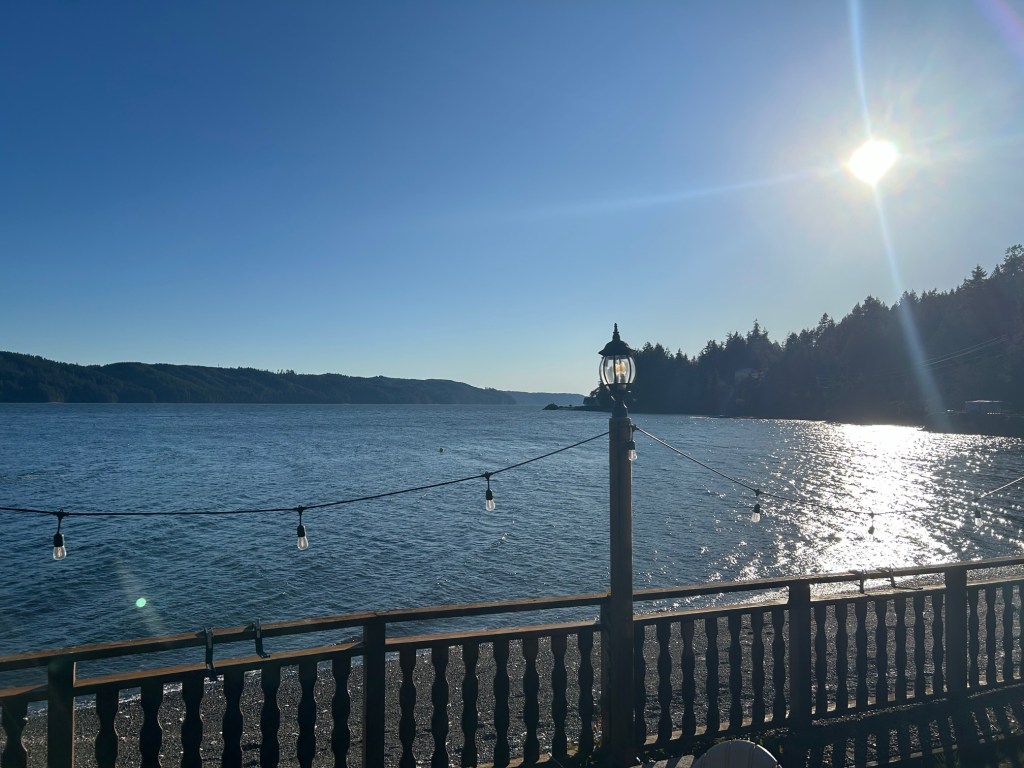
    On Friday the 24th of January, I left Eugene to drive five hours to Mike’s Beach Resort, on the Hood Canal in Washington for the trip. As my instructor noted before the arrival, “resort is a generous way to describe the place”. We stayed in a large dorm close to the ocean with some diving resources like a fill station. The water temperature during the weekend hovered around mid-forties on the surface but was significantly lower the deepest we dove.

    I could tell you that the second the icy cold water hit my face on my first dive I felt a wash of relief from my winter mind fog. But this unfortunately would be a lie. The truth is, I was uncomfortably cold for most of the weekend. I dreaded diving back into the freezing ocean water every time we prepared for a dive.

    Despite this, I thoroughly enjoy myself. Diving is an absolute blast and the fact I got to do this during the winter months is a blessing within itself. Times like these are when I feel most like myself during the winter. I also felt like I truly earned the certification that I received because I completed the course in grueling conditions.

    In subsequent posts, I hope to explore more about my strategies for making it through 22 winters in Oregon. Many of these are through continuing my passions despite internal and external challenges. It is no surprise that mental health experiences a decline during these months in our region. The incorporation of research surrounding this is essential to understanding how to combat the dregs of PNW winters.